




About us

Better Taxes for a Better Future
The power to make our tax system better lies with our decision makers – but as voters, we have the power to influence them!
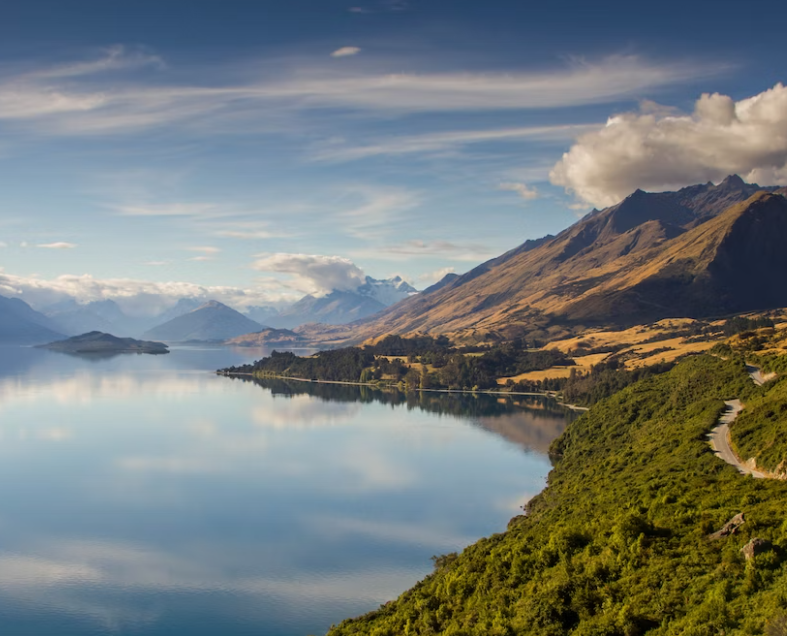
Climate Shift: Sign the petition
The climate crisis is escalating in severity. Communities across Aotearoa are now feeling the devastating consequences of inaction firsthand. Right now, we have the opportunity to shift to a more connected society, where people and nature thrive.
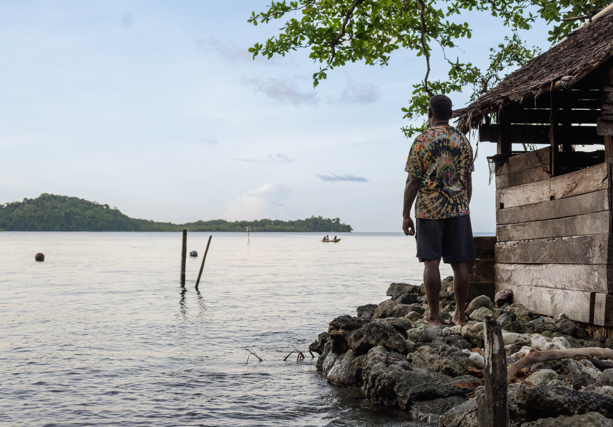
Commit to a Fossil Fuel Free Pacific
Pacific leaders have issued an historic call to action for a Just Transition to a Fossil Fuel Free Pacific. We need our Minister of Climate Change James Shaw to stand with the Pacific and join their call.
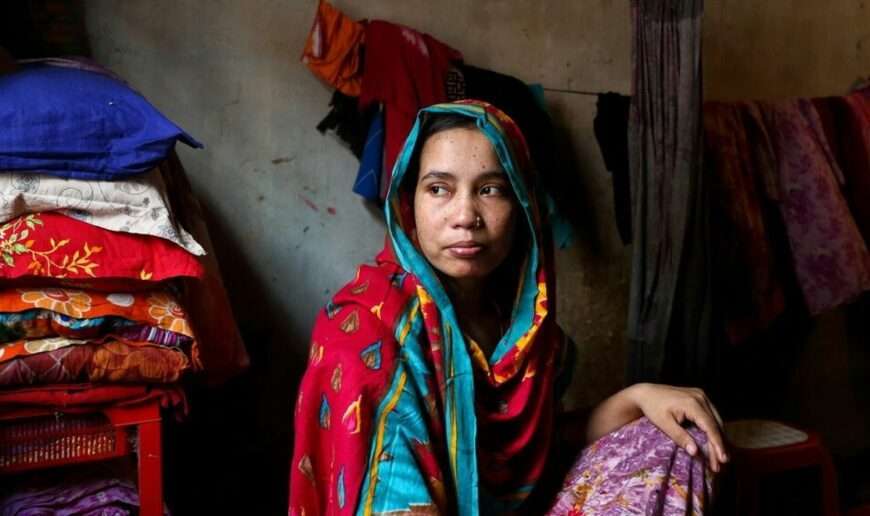
What She Makes
Women make up 80% of the garment industry and 9 out of 10 do not earn enough even to afford decent meals. A living wage is not a luxury but is a minimum all working people should be paid to escape poverty.
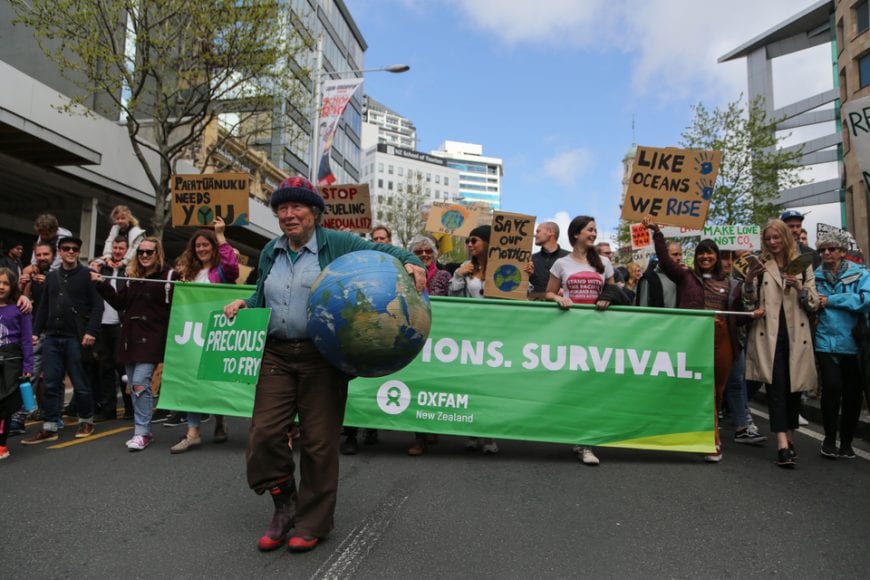
Why we campaign
If we use our collective power, we can make real the vision of a world without poverty, and shift the window of what’s politically possible.
How We Have Created Change Together
Learn more about how we’ve created change together in recent years.