




The latest news
Climate Breakdown

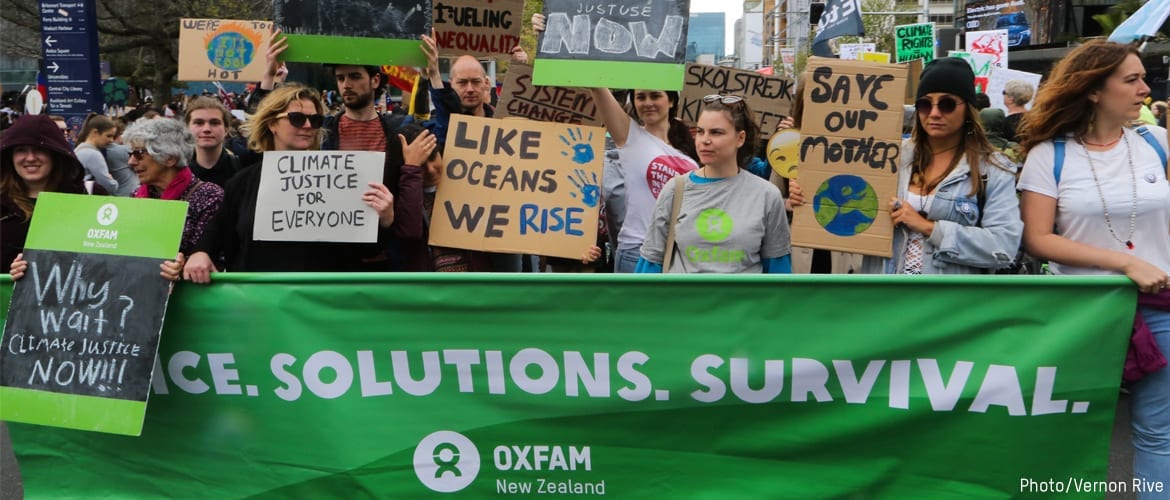
New Zealand Facing Credibility Test on Climate Crisis and Pacific ‘Reset’: Oxfam
New Zealand is facing a critical test of its credibility on tackling the climate crisis and its ability to remain …
How to Talk About Climate Change: A Toolkit for Encouraging Collective Action
This toolkit discusses effective communication strategies that inspire hope, build connections, develop understandings and encourage collective action. For those working …

Land used for European biofuels could feed 120 million people daily
CO2 benefits of biofuels pale in significance to simply giving land back to nature, while using just 2.5% of the …
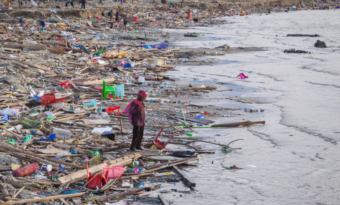
Little for developing countries to cheer about in climate finance report
In response to the US$100bn climate finance progress report, by Canada and Germany on behalf of the donor countries published …

Loss and damage fund at COP27 a monumental win, if properly funded
Responding to the final communiqué of the COP27 climate talks in Sharm El-Sheikh, Gabriela Bucher, Oxfam International’s Executive Director, said: …
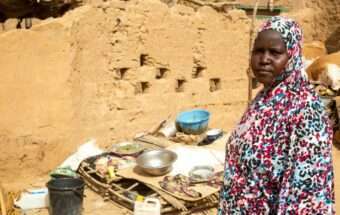
Extreme hunger has more than doubled in 10 of the world’s worst climate hotspots over past six years
Less than 18 days of fossil fuel companies’ profits would cover the entire UN humanitarian appeal for 2022 Ten of …