

Country overview
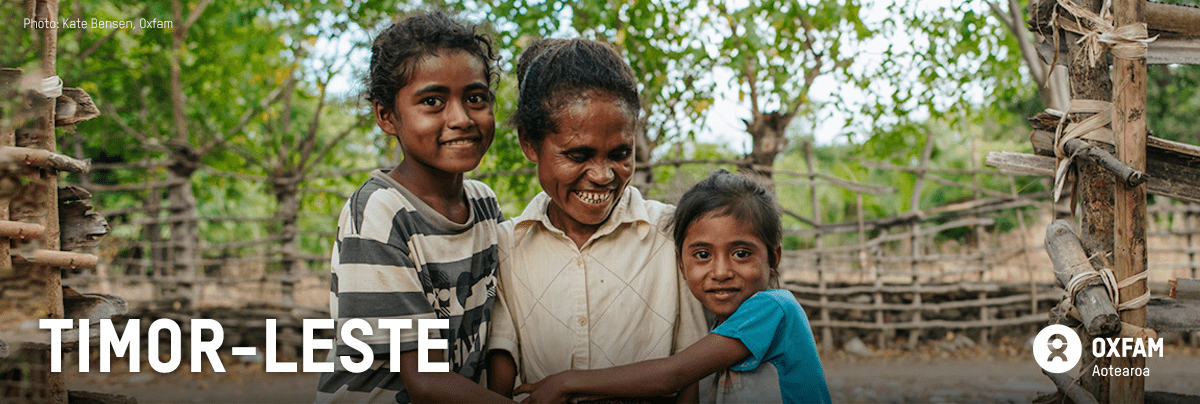
East Timor (also known as Timor-Leste) is home to about 1 million people and is one of the poorest countries in the Asia-Pacific region.
Country profile
East Timor became an independent nation in May 2002 following several years of conflict and turmoil, which brought about widespread destruction of the social and economic infrastructure. According to the UNDP Human Development Report, East Timor has the lowest Human Development Index and the highest Human Poverty Index in Asia.
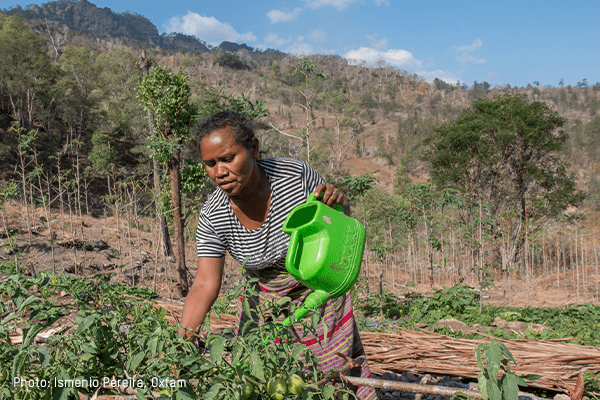
Agriculture dominates the economy, accounting for 25 percent of GDP and approximately 75 percent of employment. Insufficient food production and an under-developed local market, however, have led to a dependency on imports of rice and other commodities. Poverty is particularly widespread in rural areas and health and education levels are poor.
One of the key issues facing the people of East Timor is a lack of skills in key areas from government planning to community self-determination. Capacity to deliver essential services remains very weak and the rebuilding of infrastructure and strengthening civil administration remains a huge challenge.
Stats and facts
- Capital: Dili
- Population: 1,040,880 (2005 estimate)
- Language: Official languages are Portuguese and Tetum
- Religion: Major religion Roman Catholic
- Adult Literacy: 59 percent
- Life expectancy: 55 years
- Government: Republic
- Access to safe water: 52 percent
- Population living on less than NZ$3/day: Unknown
Reference: Statistics from the UNDP Human Development Report and The World Factbook.
Oxfam Unwrapped in East Timor
By buying a gift from Oxfam Unwrapped you can help support our work in East Timor. Take a look at Oxfam Unwrapped's gifts with a difference and help lift people out of poverty, for good.