Together we can provide long-term solutions for communities in need.
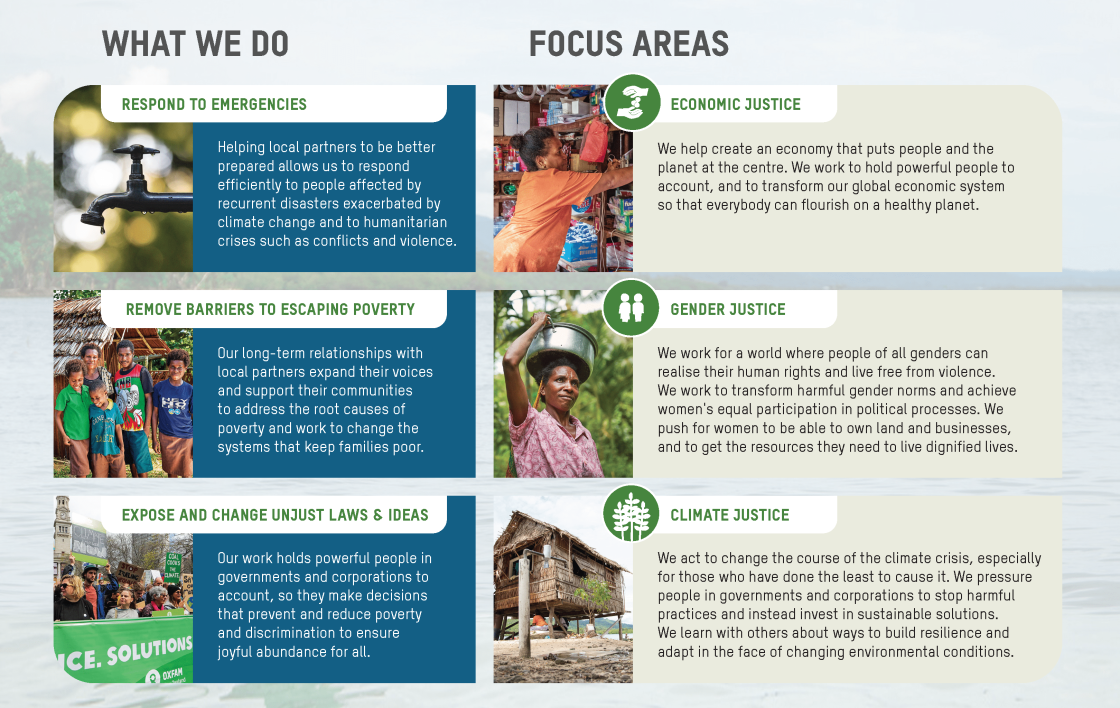
At Oxfam Aotearoa, our work challenges the underlying causes of poverty and injustice through long-term development programs, advocacy work and emergency relief. Discover more about our programs below.
Our programmes
Emergency relief
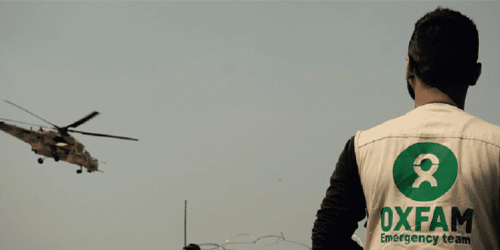
Together, we can save lives and help communities rebuild.
Each year more than 30 million people flee their homes or lose their livelihoods as a result of conflict and natural disasters. We believe everyone has a right to a warm, safe and secure home – and we know you feel the same.
If we use our collective power, we can make real the vision of a world without poverty, and shift the window of what’s politically possible. Together, we are tackling injustice by changing minds, systems and lives.
Te Tāhuna Kōkohu Ethical Investment Programme will help Oxfam Aotearoa build its financial resiliency and self-sufficiency. This fund will ensure that Oxfam can continue to support change where it matters most, as well as to lead by example, ensuring that this wealth supports ethical businesses and business practices.