

| You are here: what we do > where we work > vanuatu > vanuatu profile |
Vanuatu – formerly the New Hebrides – gained independence in 1980, following 70 years of joint British and French rule.
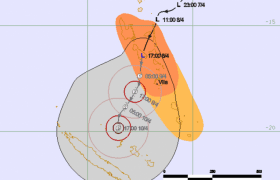
It has four main islands and 80 smaller islands. Around 80 percent of the population is spread across the 12 main islands in the chain, with most of the remainder living in the two urban centres – Port Vila and Luganville. Several islands have active volcanoes and all are prone to natural disasters such as cyclones, earthquakes and tsunami.
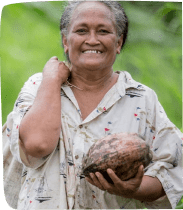
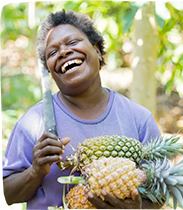
Country profileAround three-quarters of the Ni-Vanuatu people live in rural areas and are dependent on subsistence farming. The main agricultural exports are copra, beef, cocoa and kava. Tourism and offshore finance are other major sources of income. Tax revenue is derived from import duties, and neither personal income nor company profits are taxed.
Vanuatu has not experienced the internal conflict that has afflicted neighbouring countries such as the Solomon Islands and Fiji. But in recent years, the country has suffered political instability, with frequent changes of government and political coalitions.
Vanuatu has a young population. Over 40 percent of the population is under 15 years of age, and 20 percent aged between 15 and 24. Rapid population growth has put pressure on health and education services, and the availability of employment opportunities. Limited opportunities for young people place them at increased risk of poverty, drug and alcohol abuse, sexually transmitted infections and teenage pregnancy. All of these factors increase their vulnerability to HIV and AIDS.
Reference: Statistics from the UNDP Human Development Report and The World Factbook.
Oxfam Unwrapped in VanuatuBy buying a gift from Oxfam Unwrapped you can help support our work in Vanuatu. Take a look at Oxfam Unwrapped's gifts with a difference and help lift people out of poverty, for good.
![]() |
|
![]() |
|
![]() |
|
|
Oxfam Trailwalker Challenge yourself, challenge poverty! |
![]() |
Follow
|
|